

Dental Implants: The Permanent Gold Standard for Tooth Loss
4 min read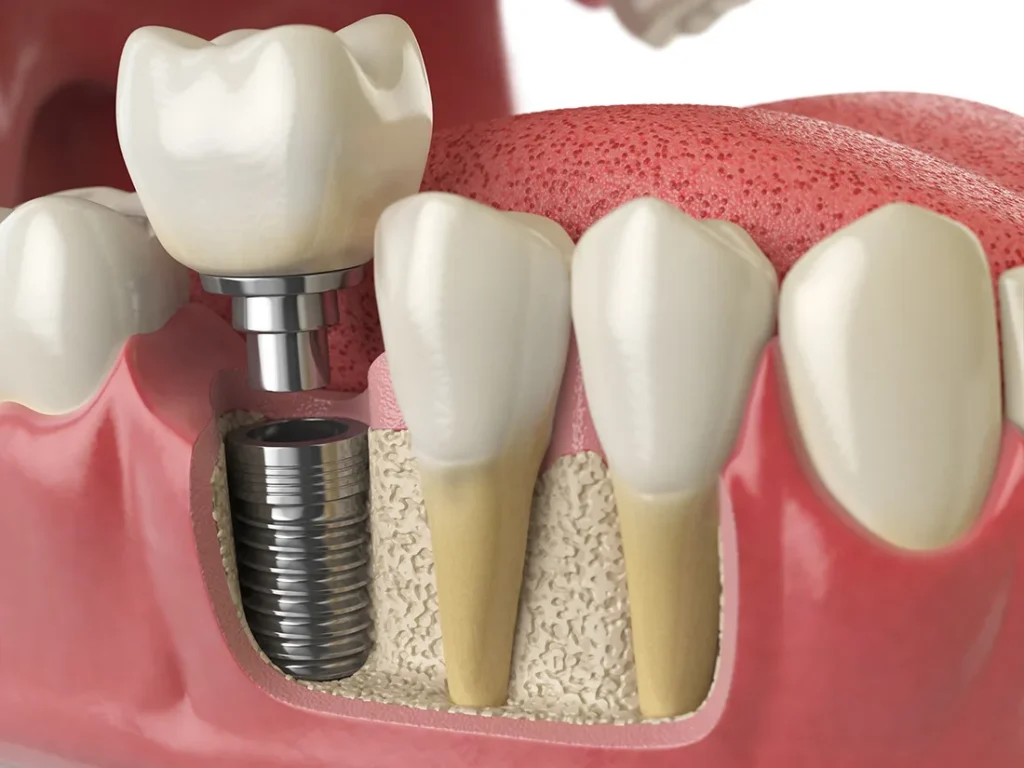
Tooth loss affects millions of people worldwide, influencing not only appearance but also speech, chewing ability, and overall oral health. While traditional solutions such as dentures and bridges have long been used to restore missing teeth, modern dentistry has elevated the standard of care. Dental implants are now widely regarded as the permanent gold standard for tooth replacement. They provide unmatched stability, longevity, and natural aesthetics by replicating both the root and crown of a missing tooth.
Unlike removable dentures, which rest on the gums, or bridges that depend on neighboring teeth for support, dental implants are surgically inserted into the jawbone. This structural integration allows them to function just like natural teeth, offering a long-term solution that prioritizes both health and comfort.
What Makes Dental Implants the Gold Standard?
Dental implants stand apart because they address tooth loss at its foundation. Each implant consists of three essential components: the implant fixture (placed into the jawbone), the abutment (which connects the implant to the crown), and the custom-made crown itself.
The true strength of dental implants lies in a process known as osseointegration. During healing, the bone naturally fuses with the implant surface, creating a secure and stable anchor. This integration prevents slippage, enhances chewing efficiency, and eliminates the discomfort often associated with removable prosthetics.
Additionally, implants help preserve jawbone density. When a tooth is lost, the surrounding bone begins to deteriorate due to lack of stimulation. Over time, this can lead to facial sagging and premature aging. Because implants function like natural tooth roots, they stimulate the jawbone and help maintain facial structure.
Long-Term Durability and Performance
One of the most compelling reasons patients choose dental implants is their longevity. With proper care and regular dental check-ups, implants can last decades—often a lifetime. Unlike traditional bridges, implants do not require the grinding down of adjacent healthy teeth. This conservative approach protects surrounding structures while delivering superior support.
Patients also benefit from improved bite force and comfort. Dental implants allow individuals to enjoy a full range of foods without fear of shifting or instability. Speech clarity often improves as well, since implants eliminate the movement that sometimes occurs with dentures.
However, achieving these long-term benefits requires thoughtful planning and precise execution. From diagnostic imaging to surgical placement, every stage plays a crucial role in ensuring predictable outcomes.
The Importance of Material Selection
The materials used in dental implants significantly impact strength, aesthetics, and overall success. Titanium has long been the industry standard due to its exceptional biocompatibility and ability to bond naturally with bone. It is durable, corrosion-resistant, and clinically proven over decades of use.
Zirconia implants have also gained popularity as a metal-free alternative. Known for their tooth-colored appearance and hypoallergenic properties, zirconia implants can be ideal for patients seeking enhanced aesthetics or those with specific sensitivities.
Understanding the value of choosing the right dental implants materials for long-lasting results ensures patients receive restorations tailored to their clinical and cosmetic needs. The choice of materials influences not only durability but also gum compatibility and overall smile harmony.
The Procedure: What to Expect
The dental implant process typically begins with a comprehensive consultation. Advanced 3D imaging and digital scans help evaluate bone density, identify anatomical structures, and create a precise treatment plan. In cases where bone volume is insufficient, bone grafting may be recommended to build a stable foundation.
Once the implant is placed into the jawbone, a healing period of several months allows osseointegration to occur. After successful integration, the abutment and custom crown are attached. Modern crowns are carefully designed to match the shade, shape, and contour of surrounding teeth, ensuring seamless results.
Thanks to technological advancements, implant surgery has become more efficient and minimally invasive. Computer-guided techniques improve accuracy, reduce discomfort, and shorten recovery times, making the overall experience more comfortable for patients.
Full-Arch and Advanced Implant Solutions
For patients missing multiple teeth or an entire arch, implant-supported systems provide transformative outcomes. Rather than placing an implant for every missing tooth, strategically positioned implants can support bridges or full-arch restorations. These systems deliver remarkable stability and restore both function and aesthetics in a streamlined manner.
Full-arch solutions are particularly beneficial for individuals frustrated with loose or uncomfortable dentures. Implant-supported restorations remain fixed in place, allowing patients to eat, speak, and smile with renewed confidence. As dental innovation continues to evolve, comprehensive treatments are now redefining smiles with technology, offering efficient pathways to complete and lasting smile rehabilitation.
Dental implants represent a powerful blend of science, precision, and artistry. By restoring strength at the root level, preserving bone structure, and delivering natural aesthetics, they continue to set the benchmark for permanent tooth replacement. With proper care and expert planning, dental implants provide not just restored teeth—but restored confidence and quality of life.


